
There’s a strange thing that happens after a long day of driving.
You park.
You switch off the engine.
But your brain doesn’t get the memo.
It’s still scanning. Still replaying that tight merge. Still thinking about the job you declined. Still half-expecting the next notification.
A lot of drivers tell themselves they just need “a rest.”
So they sit. Scroll. Snack. Watch something. Lose an hour.
And somehow still feel weird.
What’s missing isn’t downtime. It’s a clean mental gear change.
That’s where something unexpectedly simple—like a beginner ceramics workshop—can do more than you’d expect.
Not because it’s trendy.
Not because it’s artistic.
But it forces your attention out of your head and into your hands.
Why is driving harder to switch off than most jobs
Driving for a living isn’t just steering a vehicle. It’s constant micro-decisions.
You’re reading traffic patterns.
Watching pedestrians.
Managing passengers.
Balancing surge pricing with fatigue.
Calculating time versus fuel versus risk.
Even on a “quiet” day, your nervous system is in low-grade alert.
The problem is, the body doesn’t instantly downshift when the shift ends. It takes a while to believe it’s safe to relax.
And passive recovery—TV, scrolling, gaming—often keeps your brain in the same reactive loop. You’re still consuming input. Still responding.
What actually helps most people reset is:
A defined start and finish
A physical task
A clear, achievable outcome
Ceramics quietly ticks all three.
Why clay works (even if you’re not creative)
Clay is honest in a way that’s almost refreshing.
Push too hard? It buckles.
Too soft? It slumps.
Not centred? It wobbles.
There’s no algorithm. No rating system. No hidden performance metric.
Just cause and effect.
And that simplicity does something important: it narrows your focus.
You cannot scroll while shaping clay.
You cannot rush centering on a wheel without it showing.
You cannot multitask your way through it.
For drivers used to juggling variables all day, that singular focus feels… clean.
There’s also something grounding about the tactile feedback. Clay pushes back slightly. It resists. It responds.
It’s not abstract. It’s physical.
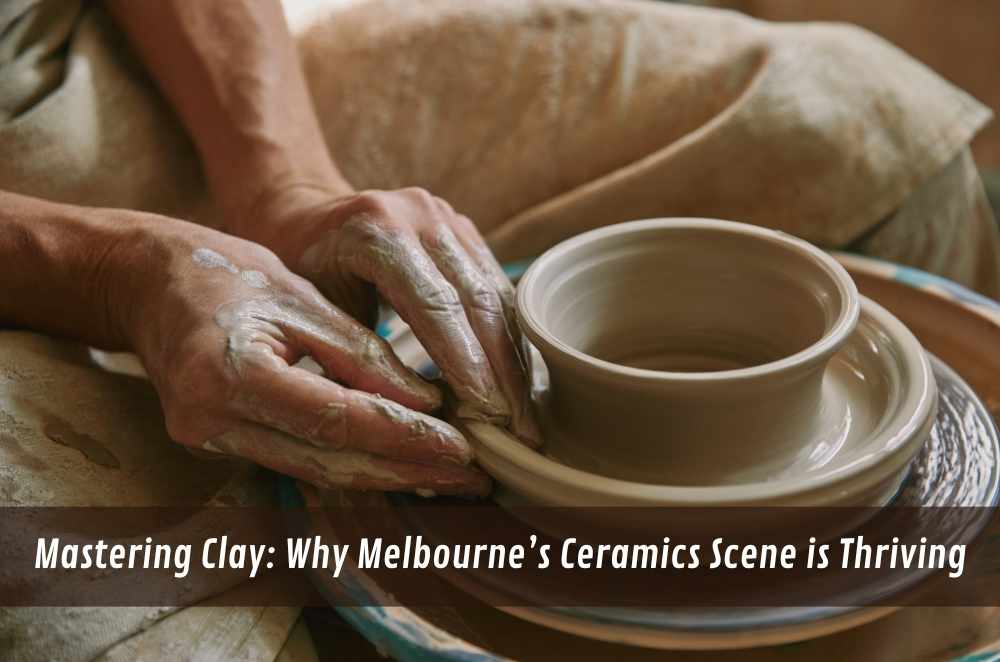
And when you finish—even if it’s just a slightly uneven bowl—you’ve made something solid and real. Not a completed trip in an app. An object.
That matters more than it sounds.
What your first workshop actually feels like
If you’ve never done it, you might picture a room full of artsy people quietly sculpting masterpieces.
That’s not what beginner classes are like.
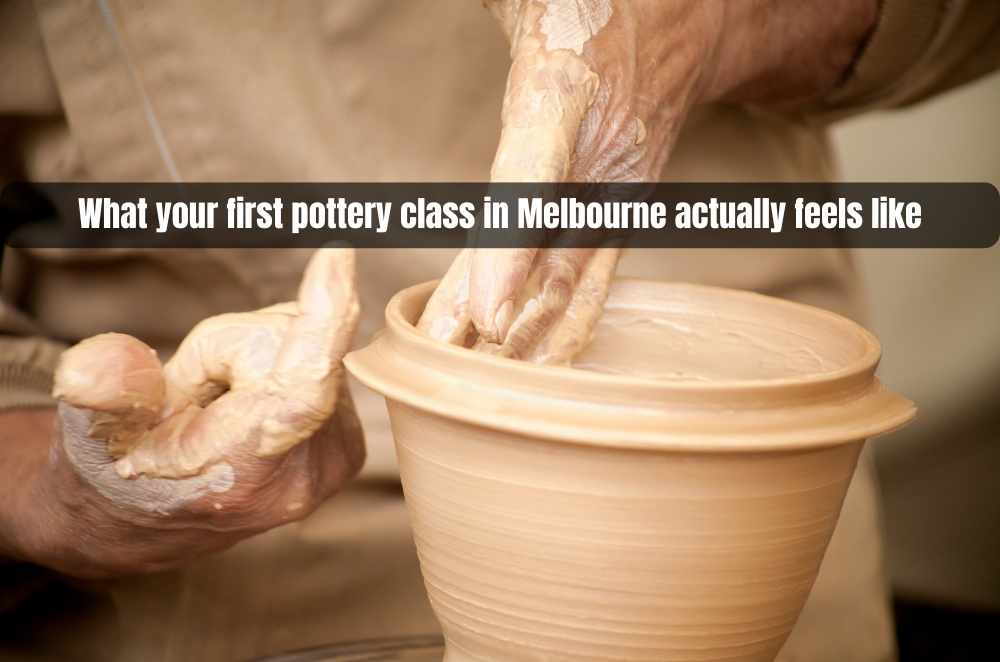
Most start with a quick demo, then you’re straight into it. The instructor explains one technique. You try it. They adjust your hands slightly. You try again.
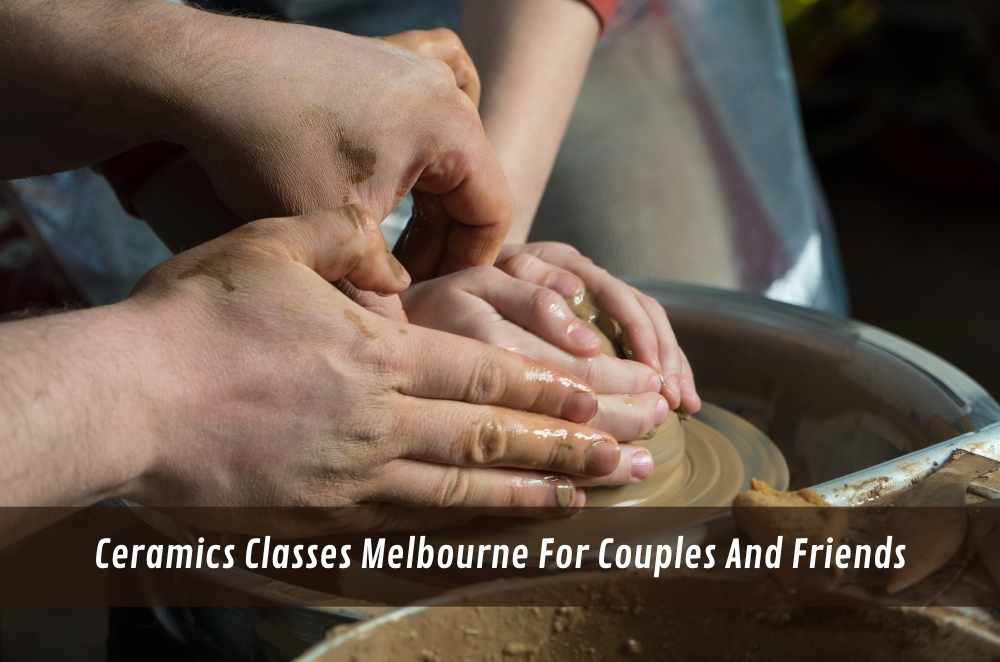
There’s usually a mix of people—some curious, some nervous, some just there because a friend dragged them along.
You’ll likely choose between:
Hand-building (pinch pots, coils, slabs)
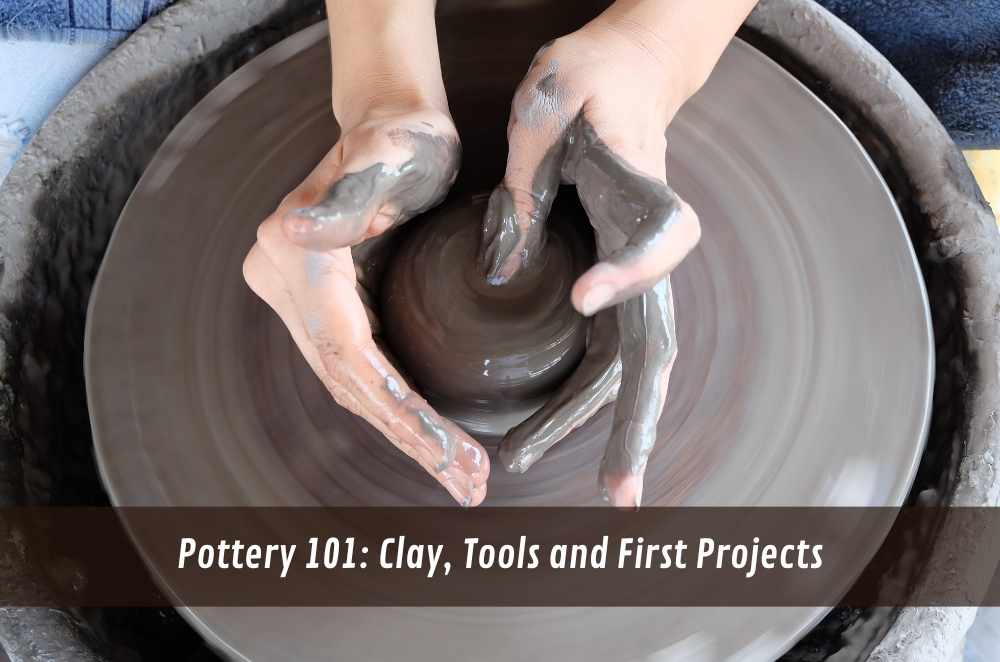
Wheel basics (centering, pulling walls, simple shapes)
Hand-building tends to feel steadier and more controlled.
The wheel can feel exciting… and mildly chaotic at first.
Either way, nobody expects perfection.
In fact, the first session is often about learning what not to force.
Operator experience moment
I’ve seen drivers walk in with that tight, alert posture—shoulders slightly raised, eyes moving, brain clearly still mid-shift.
About half an hour into working with clay, something changes.
The shoulders drop.
The breathing slows.
The silence feels comfortable instead of awkward.
There’s a specific moment near the end of class when someone lifts their slightly uneven cup and just stares at it like, “I actually made that.”
It’s not about the object.
It’s about the shift in state.
The common beginner mistakes (and why they happen)
Drivers are practical people. That’s a strength.
But that same practicality can create friction in a first ceramics session.
1. Going too big.
Tall vases and wide platters look achievable until gravity joins the chat. Smaller forms are smarter early on.
2. Over-gripping.
If you hold a steering wheel all day, your hands forget how to relax. Clay punishes tension. Looser hands usually mean better results.
3. Fighting imperfections.
Clay moves. It settles. It shifts slightly as it dries. Trying to force precision too early is exhausting.
4. Expecting instant competence.
Driving is a mastered skill. Ceramics is new. The brain doesn’t like being a beginner again—but that’s actually part of the reset.
5. Underestimating energy levels.
Booking a late session after a 10-hour shift might sound productive. In reality, mid-day or earlier evening often works better.
Choosing a class that won’t clash with your roster
This is where most good intentions fall apart.
The hobby isn’t the issue. The logistics are.
When choosing a workshop, think practically:
One-off session or short course?
If your driving hours shift weekly, start with a one-off. If you like structure and can commit, a short course builds momentum.
Hand-building or wheel?
Hand-building is generally lower stress for a first session. The wheel is rewarding—but give yourself grace.
Time of day matters.
If evenings are unpredictable or exhausting, look for late morning or early afternoon sessions instead.
Access and parking.
If getting there is annoying, you won’t go twice. Convenience beats idealism.
If scheduling is the main sticking point, reviewing the Diana Ceramic workshop schedule can help you spot a session that fits neatly between peak driving blocks.
Practical Opinions (exactly 3 lines)
Low friction is more important than high ambition.
Hand-building is usually the smoothest entry point.
Book the second session before motivation fades.
A realistic 7–14 day starter plan
Days 1–2: Choose one beginner session. Just one.
No long-term commitments yet.
Days 3–4: Create breathing room around it.
Build a 20-minute buffer, so you’re not arriving straight from traffic chaos.
Days 5–7: Reduce one excuse.
Pack a change of clothes in the car. Plan your meal timing. Check parking.
Day 8: Attend. Keep the goal small.
One bowl is a success. Showing up is success.
Days 9–14: Decide quickly whether to repeat.
Momentum fades fast in gig work. Lock in the next step while the feeling is fresh.
Local SMB mini-walkthrough (Australia)
Check your city’s peak rideshare windows before booking so you’re not tempted to cancel for surge pricing.
Allow extra travel time if you’re coming from airport runs or high-traffic corridors.
If you’re ready to book a pottery and ceramics session with a studio instructor, choose a time that won’t clash with your highest-earning blocks.
Wear clothes you’re comfortable moving in—clay is washable, but splashes happen.
If you drive an accident replacement vehicle, double-check handover timing so you’re not rushed.
Ask how and when finished pieces are collected, especially if you rotate between suburbs.
Keep the first visit simple—treat it as exploration, not performance.
Key Takeaways
Driving keeps your nervous system alert long after the engine stops.
Ceramics create a clean start, focused middle, and defined finish.
Beginner mistakes are normal and part of the learning curve.
The best workshop is the one you can realistically attend twice.
Common questions we hear from Australian businesses
How often would a busy driver need to attend to feel a difference?
In most cases, once every two to four weeks is enough to create a noticeable mental reset, especially during busy periods in Australian metro areas.
Next step: book a single session and schedule the next one before leaving so it becomes a rhythm rather than a one-off.
Is wheel throwing too frustrating for someone already tired from driving?
Usually, yes at first—wheel work requires coordination that can feel demanding if you’re exhausted.
Next step: start with a hand-building class, then try the wheel when you’re coming in with more energy.
What if unpredictable work means I miss a class?
It depends on the studio’s flexibility and how booked-out sessions are in your local area, which can vary across Australian suburbs.
Next step: begin with one-off workshops and clarify rescheduling policies before committing to a course.
Could ceramics work as a small group activity for drivers?
In most cases, yes—hands-on workshops are well suited to small groups because everyone works at their own pace and leaves with something tangible.
Next step: choose a simple format like hand-building and schedule it outside peak demand hours in your city.




Write a comment ...